How to Start a Faceless YouTube Channel in 2026 (Step-by-Step)
A practical guide to starting a faceless YouTube channel from scratch — niche selection, format choice, warmup, monetisation, and automation. No filming required.
May 20, 2026 · 14 min read

Author
codeBeboo
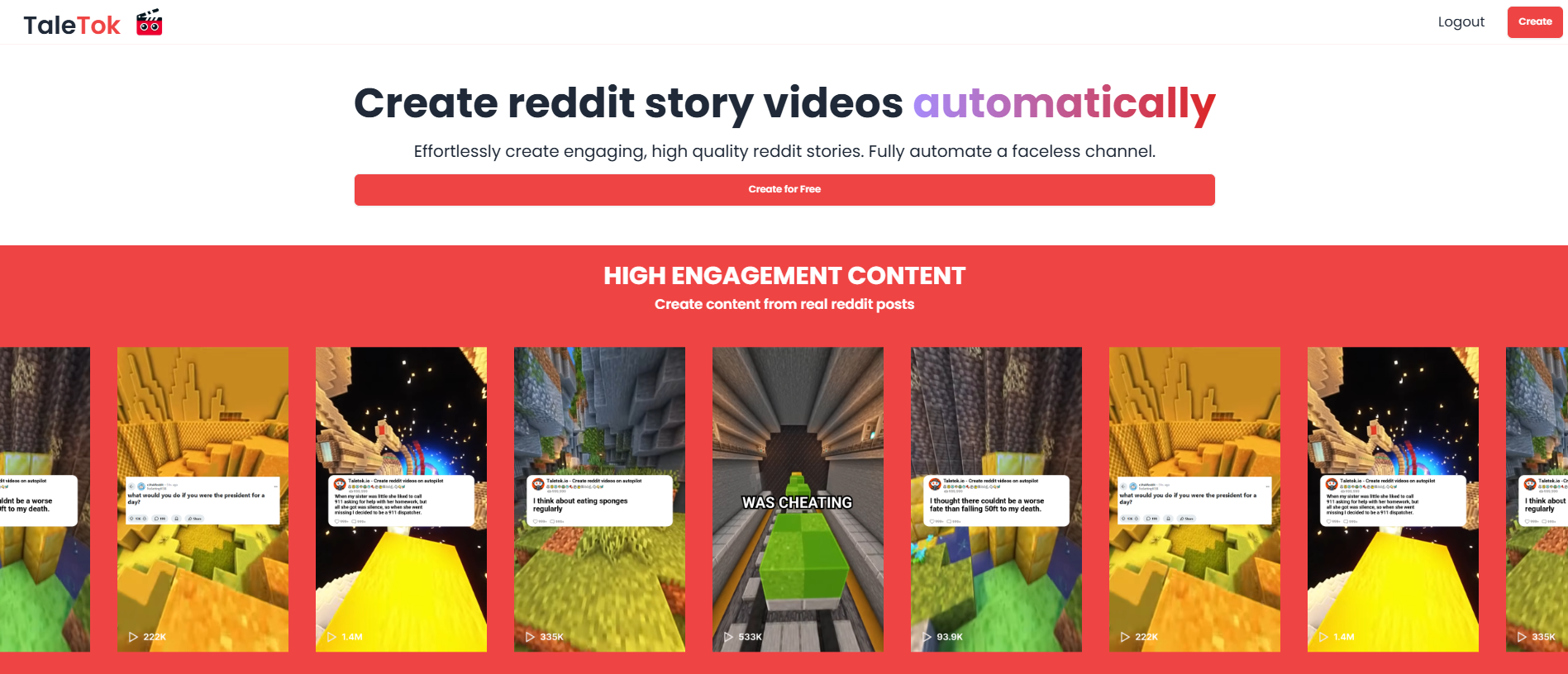
Starting a faceless YouTube channel is one of the few online income models that actually makes sense in 2026 — not because it's easy, but because the tools have caught up to the idea. You don't need to film, edit, or even appear anywhere. What you do need is a clear format, consistent output, and a realistic understanding of how the algorithm treats new channels.
This guide covers all of it.
What Is a Faceless YouTube Channel?
A faceless YouTube channel publishes content without any on-camera presenter. Instead of a host, the videos use:
- AI voiceover narration over generated or sourced visuals
- 3D animated storytelling in styles like Zack D Films
- Stock or AI-generated footage with text overlays
- Screen recordings or gameplay as background footage
- Compilation or story formats driven entirely by narration
The channel grows like any YouTube channel — through consistent posting, good retention, and content the algorithm rewards. The difference is you're never in the video.
How Much Can a Faceless YouTube Channel Make?
Straightforwardly: it varies enormously, and most people starting out will wait three to six months before seeing meaningful AdSense income.
What actually determines earnings:
RPM by niche — the amount YouTube pays per 1,000 monetised views. Story and entertainment channels typically see $2–$6 RPM. True crime, finance-adjacent, and educational content can hit $8–$15. Choosing your niche partly means choosing your revenue ceiling.
Watch time and monetisation threshold — to qualify for the YouTube Partner Program, you need 1,000 subscribers and either 4,000 watch hours in 12 months or 10 million Shorts views in 90 days. Long-form faceless channels reach the watch time threshold faster. Shorts-first channels grow subscribers faster.
Posting consistency — the single biggest variable. Channels that post daily for three months outperform channels that post sporadically for a year, almost without exception.
The channels earning well from faceless content are not necessarily the ones with the best AI. They're the ones that posted enough, in a niche with decent RPM, with content that held attention long enough to matter.
Step 1: Pick Your Niche
The right niche for a faceless channel has three properties: genuine audience demand, content you can produce at volume, and RPM worth pursuing.
High-performing niches for faceless channels in 2026:
| Niche | Format fit | RPM range | Competition |
|---|---|---|---|
| Reddit stories | Short + long-form | $2–$8 | Medium |
| True crime narration | Long-form | $4–$12 | High |
| Zack D Films 3D shorts | Shorts | $3–$10 | Low (hard to produce) |
| Educational AI shorts | Shorts | $3–$8 | Medium |
| 4chan greentext | Shorts + mid | $2–$6 | Low |
| Satisfying / timelapse | Shorts | $2–$5 | Low (growing fast) |
| Paranormal / horror | Short + long-form | $3–$8 | Medium |
| History retold | Long-form | $5–$12 | Medium |
One thing to avoid: picking a niche because it has high RPM figures on a list somewhere, without checking whether you can produce that content consistently. A $12 RPM true crime channel that posts twice a month earns less than a $4 RPM Reddit channel posting daily. Volume compounds.
Step 2: Choose Your Video Format
Your format determines your production workflow, your posting frequency, and your growth trajectory. There are two meaningful decisions here: shorts vs long-form (or both), and which content style.
Shorts vs Long-form
Shorts (under 60 seconds) grow subscribers faster and have lower production overhead. They do not earn AdSense directly at the same rate as long-form. They are the discovery mechanism.
Long-form (8+ minutes) qualifies for mid-roll ads and earns significantly better RPM. Takes longer to produce. Slower to build an audience, but higher income per view once monetised.
The most effective faceless channel strategy is both: use Shorts to drive discovery and subscriber growth, use long-form to earn.
Format options
Reddit Story Videos — pull from real Reddit threads. Familiar, proven format. The long-form version (8–10 minutes) earns well on AdSense. The short version drives clicks and subscriptions.
Zack D Films-Style 3D Shorts — the premium end of the faceless market. Cinematic quality. High share rate. The production complexity that kept this format out of reach for solo creators is solved with the right tools.
AI Shorts — fully generative from a prompt. Educational, factual, or entertainment content without any source material. High volume, wide topic variety.
True Crime / Paranormal Narration — script-driven, atmospheric. Strong long-form format with loyal audiences and decent RPM.
4chan Greentext — cult format with very low competition. Outperforms its subscriber count in terms of watch time and engagement.
Step 3: Set Up Your Channel
Before you post anything, spend time setting the channel up properly. This matters more than most guides admit.
Channel name: pick something niche-relevant but not too specific. You want room to expand later. Avoid generic "AI Clips" style names — they signal low-effort to the algorithm and to viewers.
Channel art and description: even a faceless channel needs a coherent identity. A clear description with your niche (e.g. "Cinematic true crime stories, three times a week") signals to the algorithm what your channel is about.
About section keywords: YouTube's search uses your about section. Include your niche and format terms naturally.
Channel warmup: this is the step most people skip and then wonder why their first videos get no views.
Channel Warmup
New YouTube channels that immediately start posting daily with automated tools often get suppressed. YouTube's system flags accounts that jump from zero activity to consistent mechanical posting.
The fix is simple and takes 48 hours:
- Day 1–2: Use the channel normally. Watch videos in your niche. Like and comment on similar content. Subscribe to relevant channels. Establish a human activity pattern.
- First week of posting: start at 1 video per day maximum. Don't go straight to twice-daily.
- Before automating: post 2–3 videos manually first. If they perform (even 100 views counts), the account is trusted.
This isn't optional. Skipping warmup is the most common reason faceless channels fail before they've had a chance.
More detail in the channel warmup guide.
Step 4: Create Your First Videos
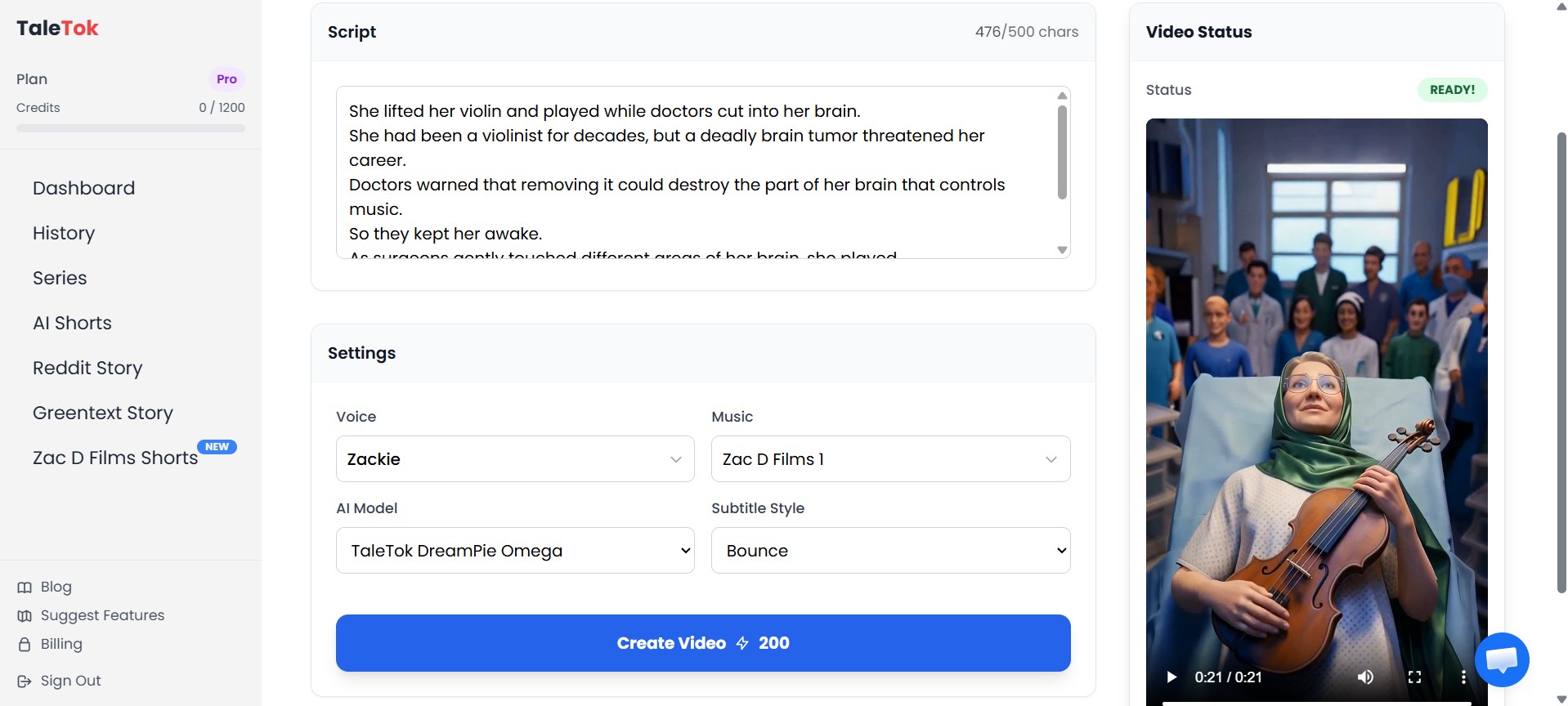
Your first videos are not your best videos. They're your baseline. Don't spend three weeks perfecting them — spend your time understanding what the format requires: hook structure, pacing, video length, thumbnail style.
For each format, the hook (first 2–3 seconds) is the only thing that matters initially. If you're not stopping the scroll, nothing else can save you.
Hook patterns that work in faceless short formats:
- Start mid-action or mid-story, never with context-setting
- Open with a question or provocative claim — "This is the real reason X happens"
- Use text overlays that create a loop — viewers rewatch to catch what they missed
- For Zack D Films style: the first visual frame should be the most striking thing in the video
Test your first five videos across the same format. Look at average view duration (not view count) to understand whether your content is holding or losing attention. That number tells you more than the view count in the first week.
Step 5: Post Consistently
Consistency is the only variable you fully control in the early phase.
This is where most solo creators fail — not because the content isn't good, but because posting daily while also writing scripts, generating videos, and managing a channel manually is genuinely unsustainable.
The options:
Manual posting: full control, high effort. Viable at 3–4 videos per week for most people. Not viable at daily without significant time investment.
Automated posting: set a series, define the format, let the tool post on your schedule. You review upcoming posts in advance, make changes where needed, and spend your time on strategy rather than execution.
A YouTube automation platform like Taletok lets you run a daily posting schedule without the daily effort. You set the series once — format, posting time, frequency — and the platform generates and queues each video. You can edit any upcoming post up to five days ahead from the dashboard.
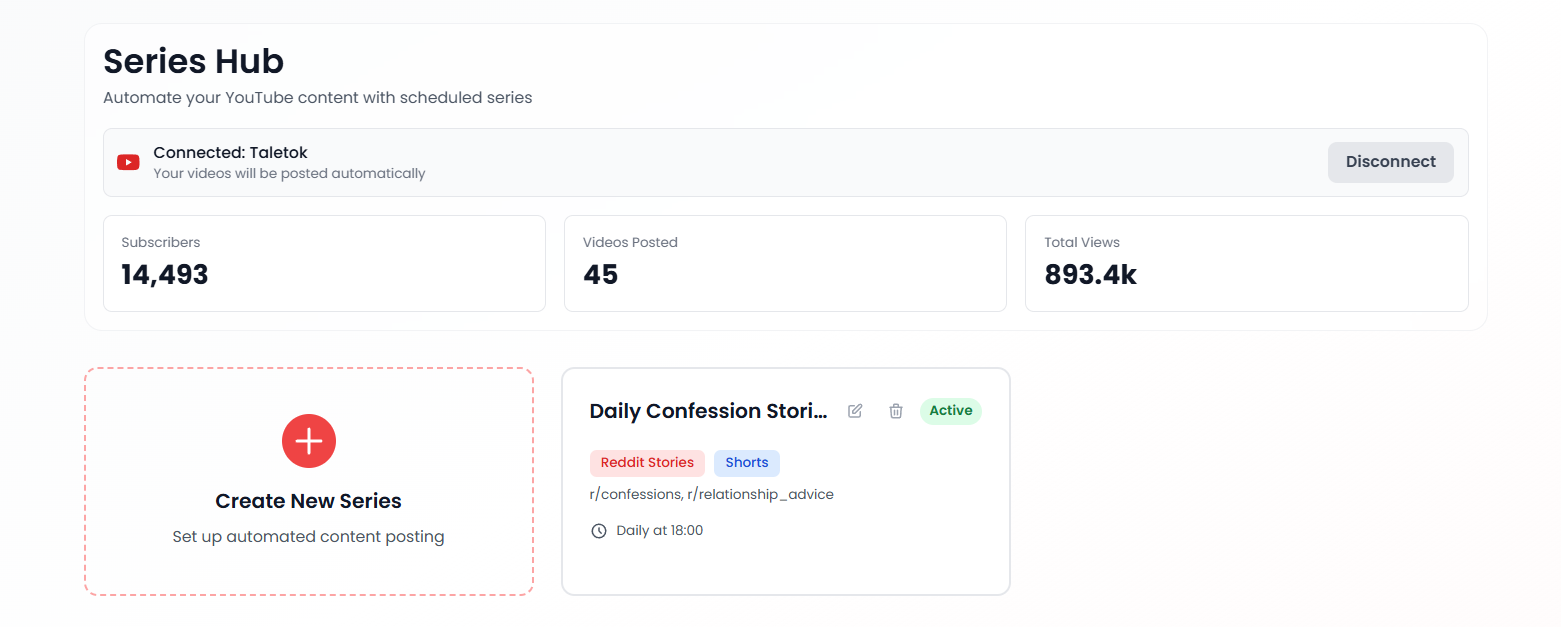
The automation doesn't replace your judgment on niche and format. It removes the operational bottleneck that stops consistent channels from being consistent.
Step 6: Monetise
YouTube Partner Program
The threshold: 1,000 subscribers + either 4,000 watch hours or 10 million Shorts views in 90 days.
Long-form channels hit the watch time threshold faster — a viewer who watches a 10-minute video counts more than one who watches a 60-second short. If monetisation speed matters, the long-form route is quicker despite slower subscriber growth.
Beyond AdSense
Once your channel has consistent output and a defined niche, other income streams open:
Affiliate marketing — story-format channels can include relevant product links in descriptions. Finance, health, and tech niches convert particularly well.
Account sales — a niche faceless channel with 5,000–10,000 engaged subscribers has real resale value. There is an active market for established faceless channels.
Brand partnerships — brands approach channels with defined audiences at lower subscriber counts than most people assume. A true crime channel with 2,000 highly engaged subscribers in the right demographic gets outreach.
Common Mistakes That Kill Faceless Channels
Skipping warmup. Covered above. Do it.
Ignoring the hook. If your first three seconds don't earn the next three, the video is already failing. Study the first frames of your highest-performing format examples obsessively.
Niche-hopping. Faceless channels build audiences around a consistent format and topic. Switching niches every few weeks confuses the algorithm and loses whatever audience signal you've built.
Using poor-quality TTS. The era of obviously robotic voiceover is over. Viewers can tell within two seconds, and they leave. Realistic AI voices are not optional — they're baseline.
Posting then disappearing. Posting 20 videos then stopping for a month resets your algorithmic momentum. Consistency beats quality in the early phase.
Measuring views when you should be measuring retention. In the first month, your view count is partly determined by luck and timing. Average view duration tells you whether the content is working. Focus there.
Tools to Automate Your Faceless YouTube Channel
- Taletok YouTube Automation — script generation, AI video creation, and YouTube autoposting. Supports Reddit, Zack D Films, 4chan, AI Shorts, and more. Advanced editor for scene-level control.
- Faceless Reels Generator — generate and download short-form content for Shorts, Reels, and TikTok.
- Reddit Story Generator — free tool for generating Reddit-style story scripts.
FAQ
What is a faceless YouTube channel?
A faceless YouTube channel is any channel that publishes content without an on-camera presenter. The channel uses voiceover narration, AI-generated or sourced visuals, animation, or gameplay footage as the visual layer instead of a person.
How long does it take to make money from a faceless YouTube channel?
Most channels see their first meaningful AdSense income three to six months after consistent daily posting — assuming the niche has decent RPM and the content holds viewer attention. The watch time threshold (4,000 hours) for long-form channels takes longer to hit than it sounds but can be reached in 3–4 months with daily posting.
Can you fully automate a faceless YouTube channel?
Mostly. The production and posting can be fully automated. Niche selection, format strategy, and periodic review of what's working still require your judgment. Most users with an automated series spend 15–30 minutes per week on their channel.
Is faceless YouTube content against the rules?
No. YouTube has no policy against faceless channels or AI-generated content. The content must be original (not a repost of other people's videos), accurate (no intentional deception), and not infringing on copyright. AI-generated content that meets these criteria is fully compliant.
Do faceless channels get fewer views than on-camera channels?
Not inherently. Some of YouTube's largest channels are faceless. What matters is the algorithm — which rewards watch time, click-through rate, and session time, regardless of whether a human appears on camera. Format quality and consistency matter more than whether you're on screen.
Continue reading
In this guide series
Ready to put this into practice?
YouTube automationRead more
20 Best Faceless YouTube Channels in 2026 (And How They Make Money)
The biggest faceless YouTube channels, broken down by format, niche, estimated earnings, and what makes each one actually work. With actionable takeaways.
Clippie.ai alternatives
Clippie.ai alternatives for faceless YouTube automation — compare features, pricing, and Taletok for long-form channels.
27 Faceless YouTube Channel Ideas That Actually Make Money in 2026
27 proven faceless YouTube channel ideas with RPM estimates, difficulty ratings, and real example channels — organised by format type. Updated for 2026.
How to Create a Faceless Instagram Account in 2026 (Complete Guide)
How to set up, grow, and monetise a faceless Instagram account using Reels in 2026. Formats, algorithm, AI tools, and a realistic timeline for growth.